
Essential Roof & Guttering Maintenance
Annual Roof Inspections - A Critical Insurance Requirement
Most commercial insurance policies require a formal roof inspection every year or every two years. These inspections must be completed by a qualified professional and properly documented. A casual visual check is not considered valid. Guttering should be cleaned every six months by a competent person and properly documented.
Failing to meet these requirements can affect your insurance cover and may result in a reduced or rejected claim.
Why Businesses Must Follow Policy Conditions
To protect your right to indemnity, it is vital to understand and comply with your policy wording. Insurers expect businesses to maintain their premises and follow any conditions related to building upkeep, damage prevention, and inspection schedules.
Roof claims are often significant - often exceeding £15,000—so ensuring compliance is essential.
Examples of Typical Roof Maintenance Conditions
Policy conditions can vary between insurers, but many businesses will see requirements such as:
Guttering & Drainage
External gutters, gullies and downpipes must be inspected for damage or blockages every 6 months and documented.
Flat Roof Areas
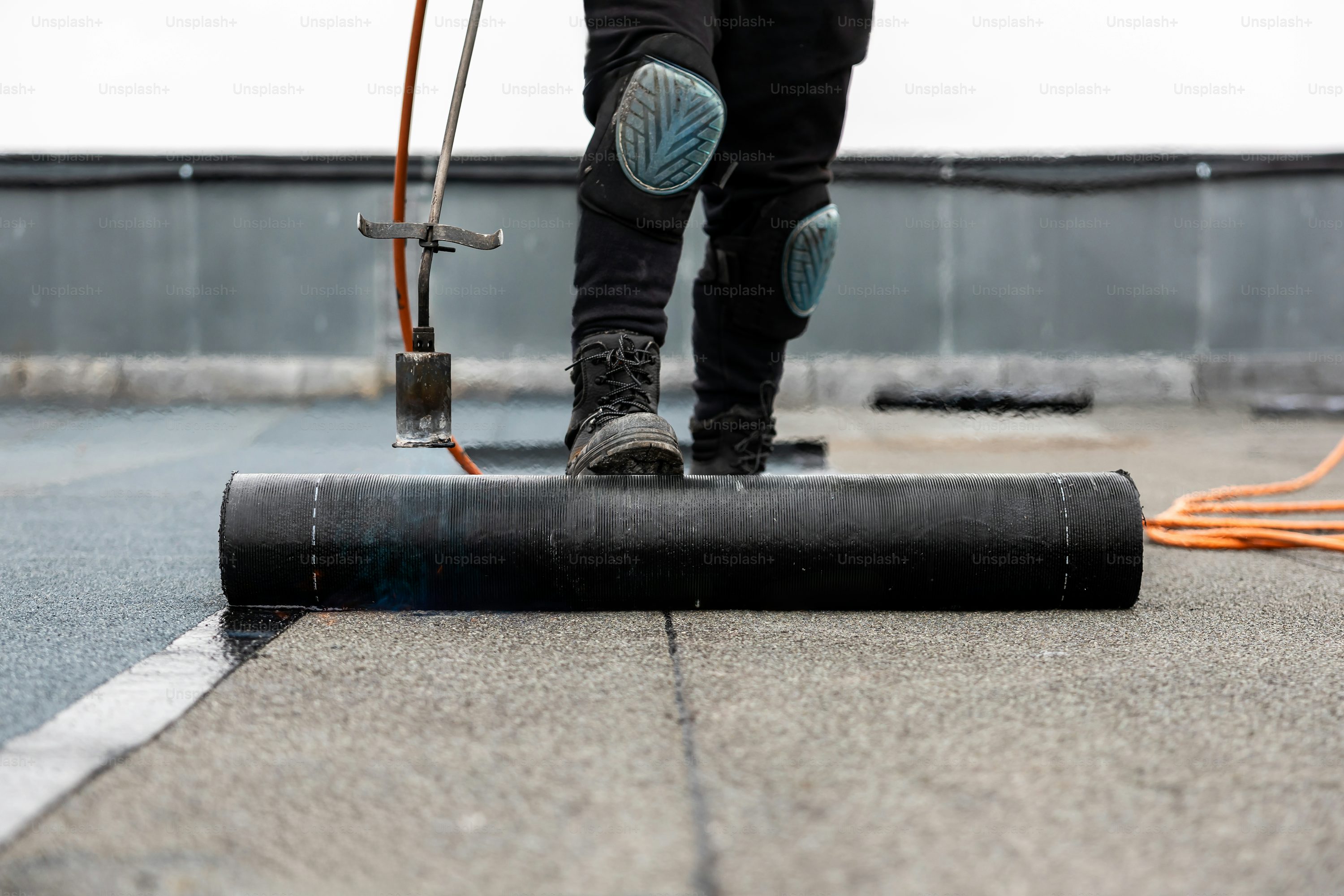
All flat roofs should be checked by a professional builder or roofer to ensure they are weather-tight and in good condition.
Repairs & Blockages
Any defects, blockages or deterioration must be repaired promptly by a competent contractor.
Insurers will request evidence of inspections and repairs if a claim is made - particularly following storm or water damage.
Flat Roof Care – What Businesses Should Watch For
Regular year-round maintenance is essential. Flat roofs are prone to debris build-up, so leaves, branches, and waste must be removed frequently - not just at the annual inspection.
Look out for:
Cracks or weak points in the surface
Ponding (standing water)
Blistering or raised patches
Loose edges or failing seams
Small issues can quickly escalate. Winter weather, freezing water and storms can turn a minor crack into major structural damage.
Any alterations to the roof - repairs, upgrades, new coverings - should be reported to your insurance broker to ensure your cover remains accurate and you are not underinsured.
How Bad Weather Impacts Flat Roofs
The weather is a major contributor to roof deterioration. Even well-installed roofs can be affected if they’re not properly maintained.
Common weather-related issues include:
Material degradation caused by pooled water
Leaks due to blocked drains or gutters
Bowing from heavy snow or rain
Mould or mildew growth
Regular maintenance significantly reduces the risk of water ingress and subsequent claims.
Why an Official Inspection Is Essential
A quick look at the roof or a DIY attempt is not recognised by insurers. Only a qualified roofing contractor or surveyor can provide the professional assessment and documentation required.
Their report acts as your evidence if a claim arises - and without it, insurers may have grounds to deny liability.
Keep Clear, Accurate Inspection Records
Maintain a secure record of all roof inspections, including:
Formal inspection reports
Photographs
Invoices for repairs
Notes on any remedial work
Insurers may reject claims if the inspection method does not match the requirements stated in the policy.
Review Your Policy & Understand Your Responsibilities
Every insurance policy is different. Your cover may include specific conditions relating to roof age, construction type, maintenance schedules or weather exposure.
If you are unsure about any requirements or need guidance, just give us a call, and we can confirm which evidence you need and help ensure your cover remains valid.